The electrical grid is at the heart of our daily lives. From power generation to end use, electricity flows through different voltage levels, each designed to meet specific requirements.
Understanding the differences between Low Voltage (LV), Medium Voltage (MV) and High Voltage (HV) is essential to gaining a clear picture of how electrical networks operate.
Low Voltage (LV): Electricity Closest to End Users
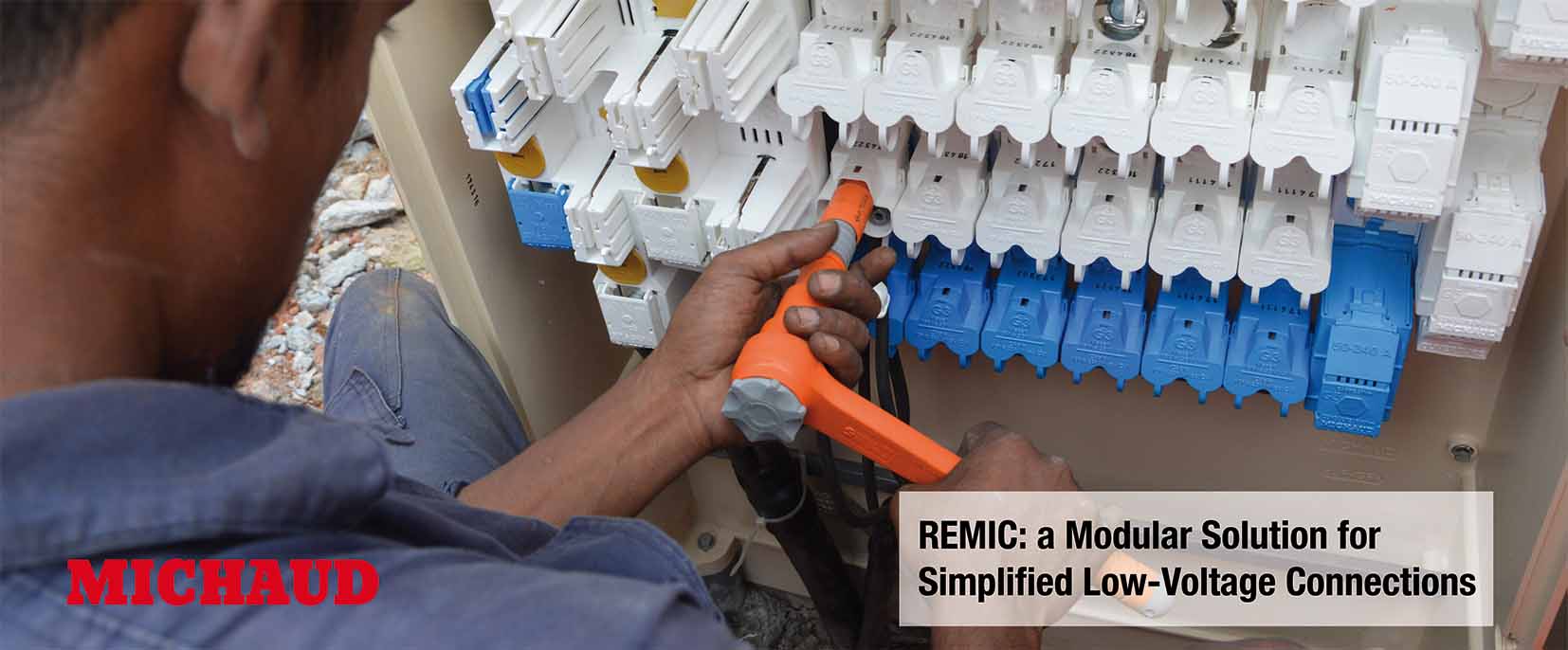
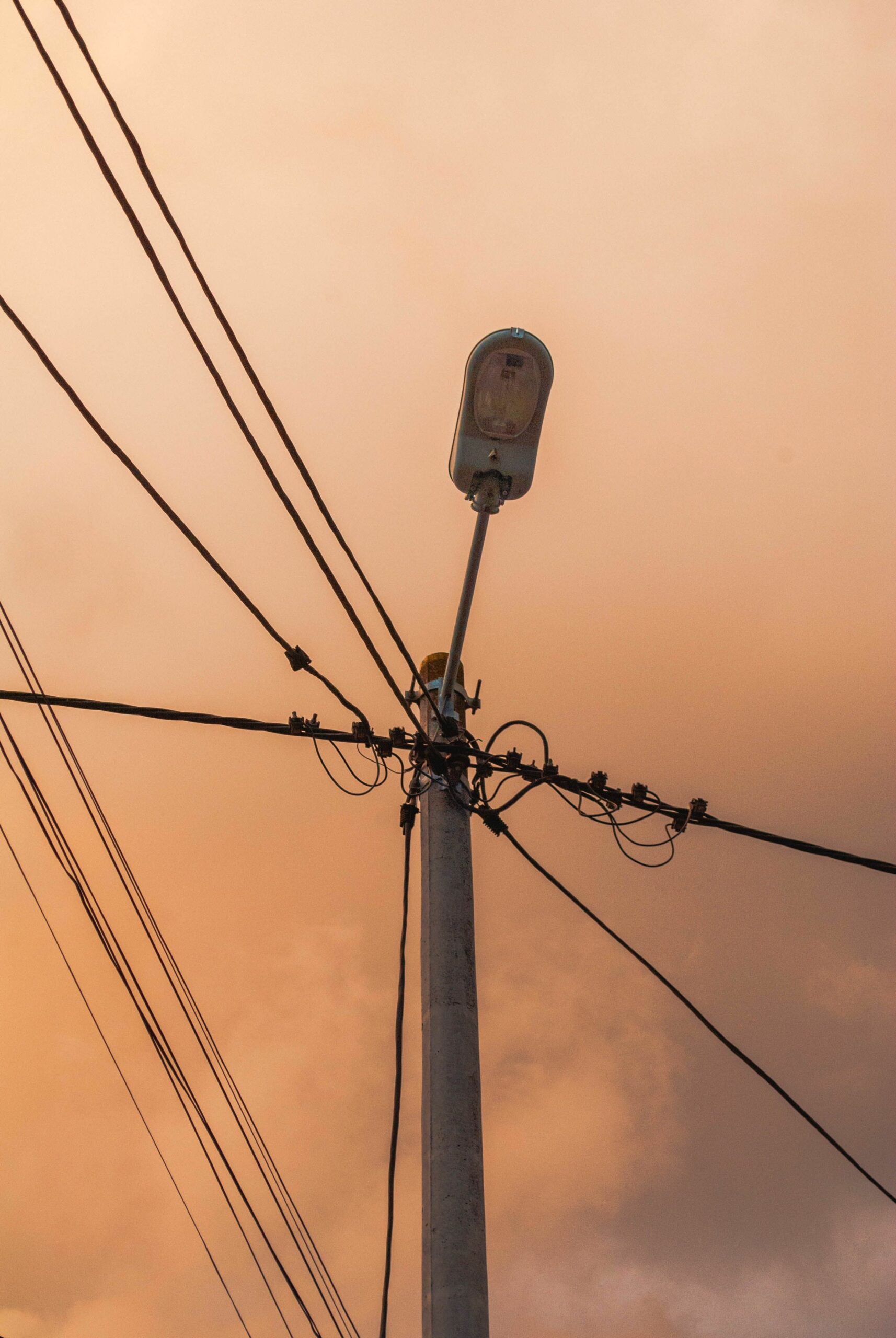
Low Voltage (LV) is the voltage level used to supply electricity directly to end users.
What Is Low Voltage Used For?
LV networks typically supply:
- Residential buildings
- Small businesses
- Certain industrial facilities
Voltage range: up to 1,000 volts AC
After being stepped down from higher voltage levels, electricity is distributed through LV networks to ensure safe and efficient use by everyday electrical equipment.
Medium Voltage (MV): A Key Link in Power Distribution
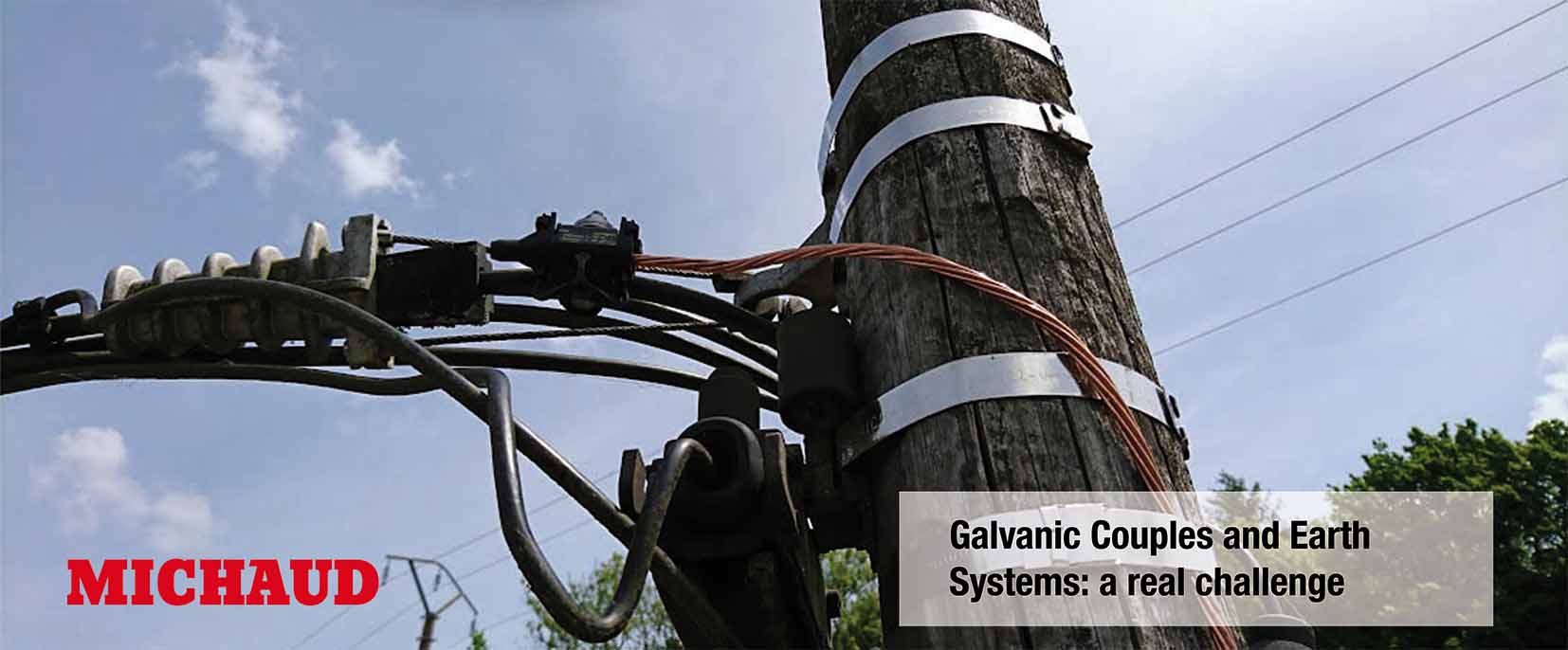
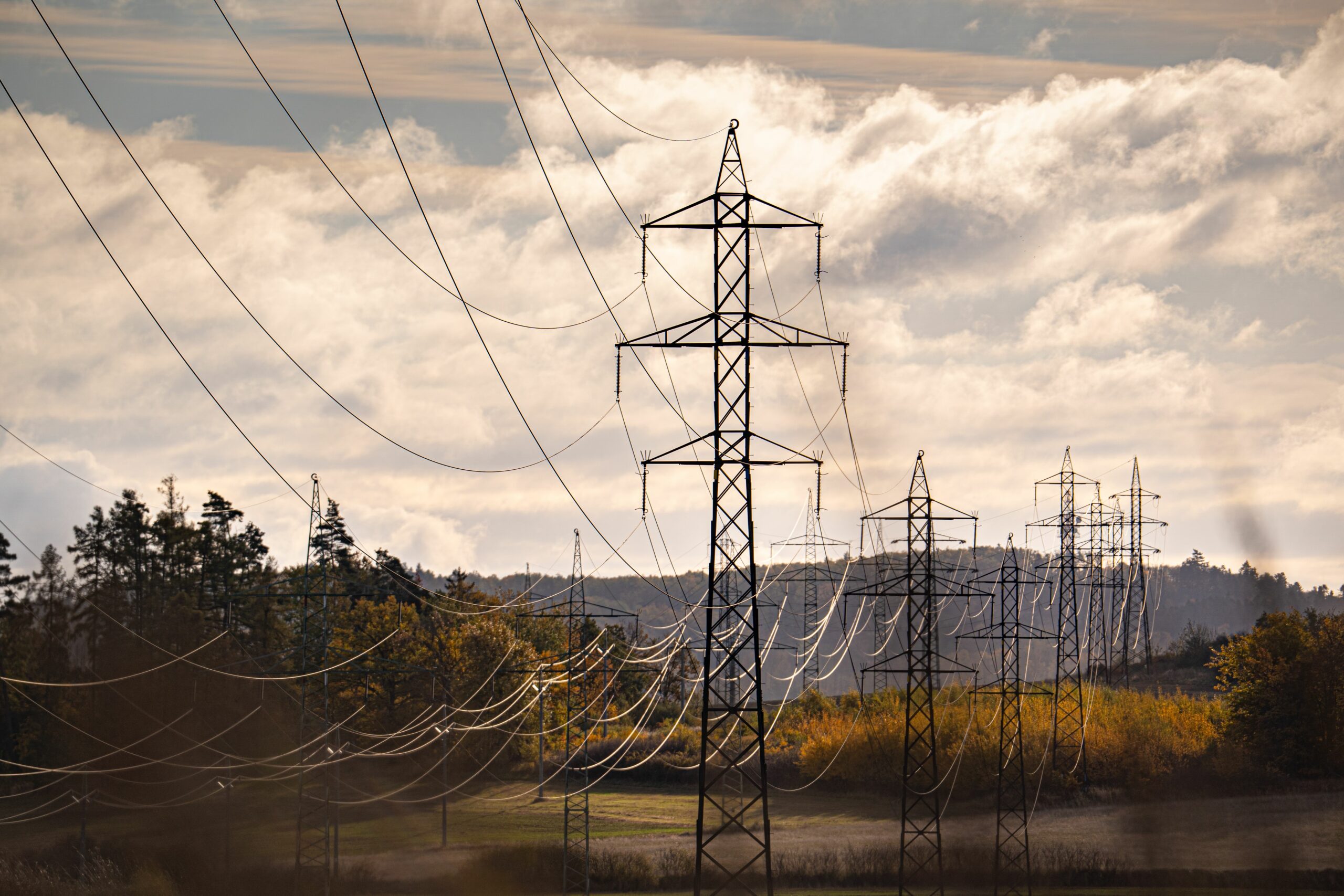
Medium Voltage (MV) plays a central role in electricity distribution.
It is used to transport electricity over intermediate distances, between substations and consumption areas.
Medium Voltage Characteristics
Voltage range: typically between 1 kV and 50 kV
What Does MV Supply?
MV networks power:
- Urban and rural areas
- Public infrastructure
- Medium-sized industrial facilities
Technical Challenges of MV Networks
This voltage level involves several key challenges:
- Service continuity
- Fault detection
- Network maintenance
- Operational safety
High Voltage (HV): Long-Distance Power Transmission
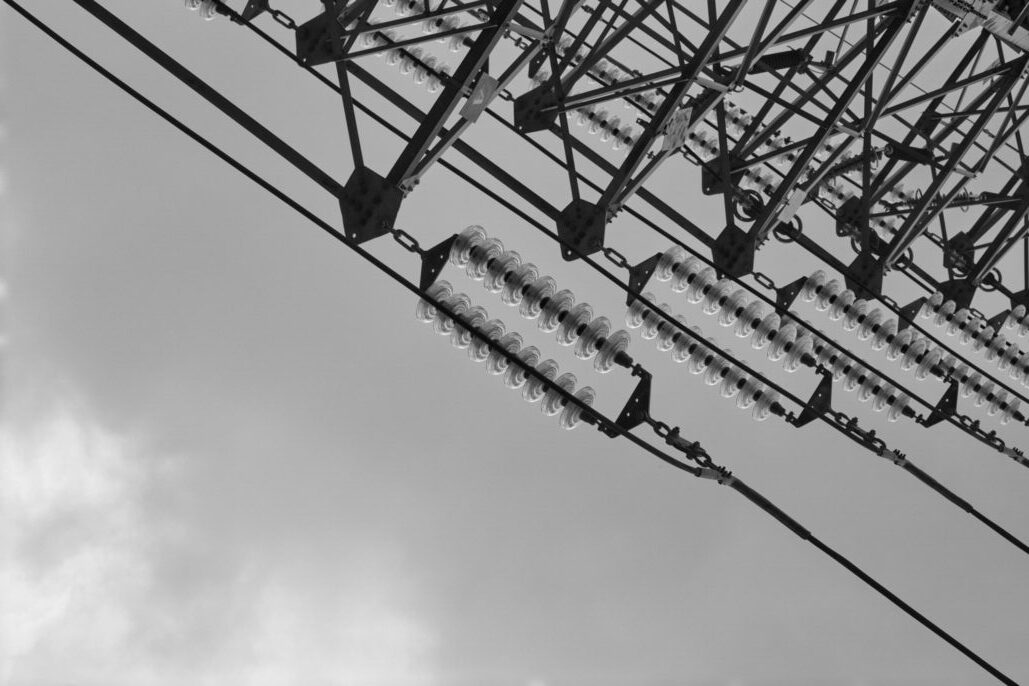
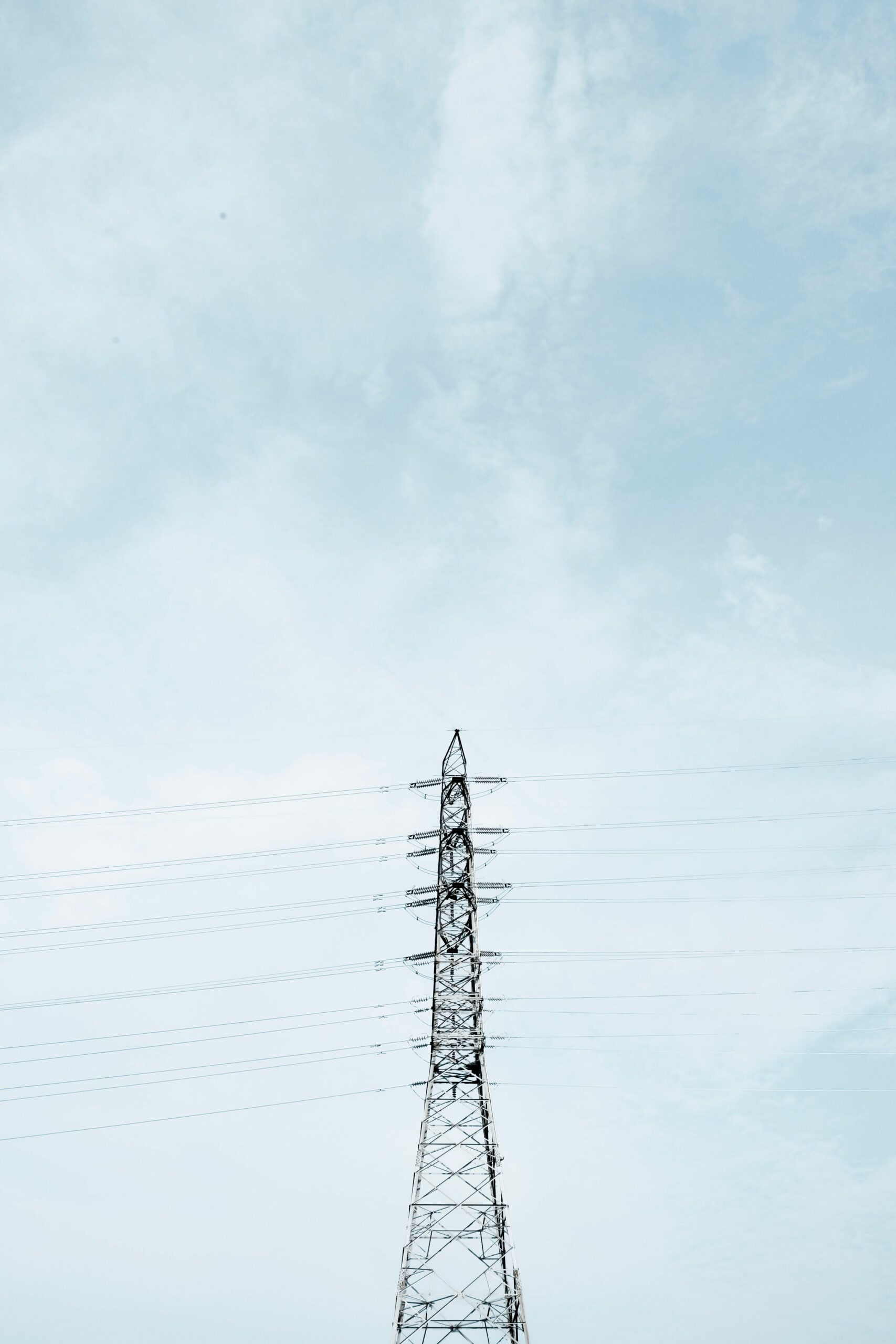
High Voltage (HV) is used to transmit large amounts of electricity over long distances, from power generation facilities to distribution substations.
High Voltage Characteristics
Voltage range: above 50 kV, up to several hundred kV
Why Use High Voltage?
HV networks make it possible to:
- Reduce energy losses
- Optimize long-distance power transmission
- Interconnect national and international grids
HV infrastructure typically consists of high-capacity overhead lines and major substations.
An Interconnected Electrical System
LV, MV and HV networks do not operate independently.
They form a coherent and interconnected system:
- Generation and transmission through HV networks
- Distribution through MV networks
- End-user consumption through LV networks
At each stage, voltage levels are transformed to match operational and user requirements.
Electrical Networks Adapted to Local Constraints
The design and operation of electrical networks vary depending on:
- Climate conditions
- Population density
- Existing infrastructure
- Geographical constraints
In many international contexts, networks must be designed to:
- Withstand extreme weather conditions
- Integrate with diverse existing infrastructures
- Maintain reliability despite challenging operating environments
The Importance of Equipment Adapted to Each Voltage Level
Regardless of the voltage level, network performance depends on several key factors:
- Equipment quality
- Reliable connections
- Ease of installation and maintenance
- Ability to quickly detect and correct faults
A tailored approach to each voltage level is essential to ensure safety, performance and service continuity.
Conclusion: Understanding Voltage Levels to Build Better Networks
LV, MV and HV are the three voltage levels that structure modern electrical networks.
Each plays a vital role in delivering electricity from generation facilities to end users.
Understanding these differences helps stakeholders:
- Better understand how electrical networks operate
- Identify technical challenges
- Make informed equipment and infrastructure decisions
A key factor in building reliable, efficient and sustainable electrical networks.
Contact